Source Moisturizing Whitening Body Lotion for Daily Care
Find 30 moisturizing whitening body lotion options from verified Chinese manufacturers. Compare OEM/ODM capabilities, certifications like CE and GMP, and bulk pricing to select the right supplier for your brand needs; compare the available evidence and request quotations based on your requirements.
Key considerations
Products List


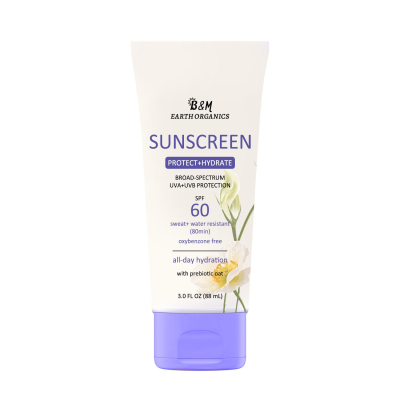
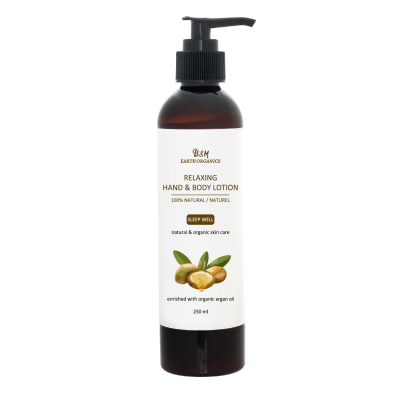
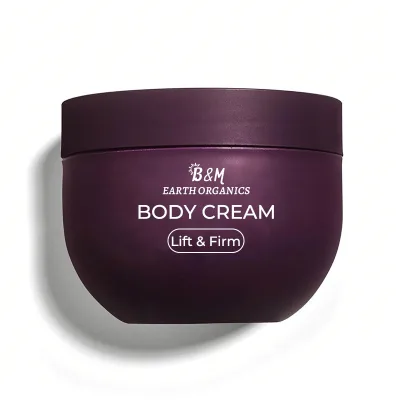
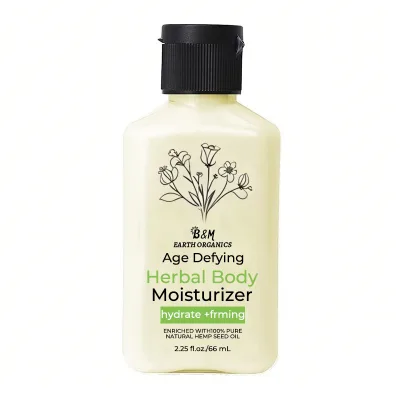
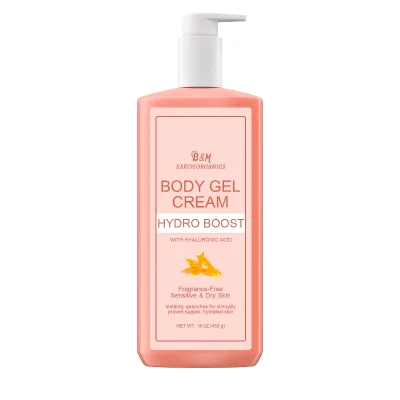
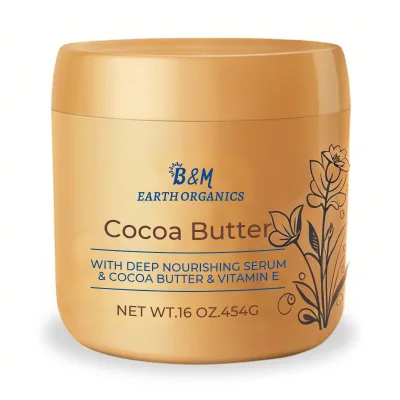


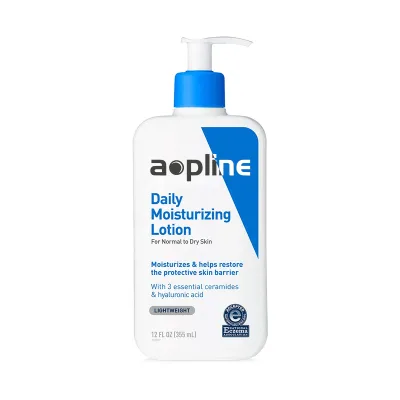
Comprehensive Sourcing Guide
Moisturizing Whitening Body Lotion Sourcing Guide
Buyers must first distinguish between general moisturizing formulations and those specifically engineered for skin lightening, as the product listings indicate a dual focus on hydration and whitening features. The observed catalog includes products with ingredients like Aloe Vera, Dead Sea Salt, and Niacinamide, which support both moisturizing and lightening claims, but the specific efficacy depends on the concentration and formulation stability. Procurement teams should verify that the "Whitening" and "Lightening" attributes are backed by the specific ingredient profile listed, such as Pearl or Green Tea, rather than assuming all moisturizing lotions possess these properties.
The market data reveals a wide variance in product models and standard sizes, ranging from 50g to 500ml, which directly impacts packaging costs and logistics planning. While some listings specify a standard of 300ml or 500ml, others offer highly customized volumes between 30ML and 200ML, requiring buyers to align their order specifications with the supplier's production capabilities. It is critical to confirm whether the desired volume is a standard SKU or a custom run, as this distinction often dictates the minimum order quantity and the flexibility of the supply chain for future replenishment.
Product Scope and Observed Listing Signals
The product scope encompasses a broad spectrum of body care items, including lotions, creams, butters, and balms, all categorized under the primary function of skin revitalization and whitening. The observed listings highlight diverse feature sets such as exfoliation, anti-aging, and antibacterial properties, suggesting that buyers can source multi-functional products that address several skin concerns simultaneously. However, the presence of these features varies by model, so procurement teams must carefully review the specific feature list for each item to ensure it matches the intended market positioning and consumer expectations.
Fragrance customization is a significant signal in the current market, with suppliers offering a vast array of scents from natural options like Lavender and Coconut to specific profiles such as Tea Tree and Chocolate. This flexibility allows brands to tailor the sensory experience to their target demographic, but it also introduces complexity in the sourcing process regarding sample approval and batch consistency. Buyers should prioritize suppliers who explicitly state "Customized" fragrance capabilities and verify the lead time required to develop and approve a unique scent profile before committing to mass production.
Technical Specifications to Verify
Technical verification begins with the bottle material and packaging format, as the data indicates a prevalence of plastic bottles packed in cartons or OEM configurations. The standard production models range from D35 to RY009, each potentially utilizing different container types and closure mechanisms that affect product stability and user experience. Procurement teams must confirm the specific bottle material compatibility with the lotion's chemical composition to prevent degradation or leakage, ensuring that the selected packaging meets the functional requirements of the product throughout its shelf life.
Volume and weight standards are another critical technical parameter, with observed specifications including 50g, 100g, 250g, and 300ml options, alongside fully customizable sizes. Buyers need to validate that the supplier can consistently meet the declared net content for their chosen standard, as discrepancies in fill volume can lead to regulatory non-compliance and customer dissatisfaction. Additionally, the production time of 7-30 days and delivery windows of 20-25 days for mass production must be factored into the supply chain timeline to ensure inventory levels remain adequate during peak demand periods.
Compliance and Safety Documentation
Compliance verification requires a rigorous review of the certification portfolio, as the observed listings frequently cite CE, FDA, GMP, and MSDS documentation. These certifications indicate that the manufacturer adheres to specific quality management systems and safety standards, but buyers must confirm that the specific product batch carries the relevant certificates for the target export market. The presence of GMP and MSDS is particularly important for cosmetic products, as it ensures that the manufacturing process is controlled and that the safety data sheet accurately reflects the chemical composition of the lotion.
Safety documentation also extends to the ingredient list, which includes components like Emu oil, Shea Butter, and various herbal extracts that may trigger allergies or require specific labeling. Buyers should request detailed ingredient declarations to ensure that all components are compliant with the regulations of the destination country, particularly regarding restricted substances or mandatory allergen disclosures. The "All Ages" and "Adults" age group classifications in the listings suggest a need for careful labeling to avoid marketing the product to inappropriate demographics, which could result in regulatory penalties.
Cost Drivers and Commercial Terms
Cost drivers in this category are heavily influenced by the minimum order quantity (MOQ), which ranges from 500 to 30,000 pieces depending on the supplier and product complexity. Lower MOQs of 500 or 1000 pieces may be available for standard models, but custom formulations or specific packaging requirements often push the threshold to 5000 pieces or higher. Buyers must calculate the total landed cost, including the unit price and the impact of the MOQ on inventory holding costs, to determine the most economical order size for their specific business model.
Commercial terms such as EXW, FOB, CIF, and DDP define the responsibility for shipping and insurance, directly affecting the final cost and risk allocation for the buyer. The observed trade terms indicate that suppliers are flexible, but the choice of term should align with the buyer's logistics capabilities and risk tolerance. For instance, selecting DDP transfers the shipping risk to the supplier, while EXW places the burden of freight and customs clearance entirely on the buyer, requiring a clear understanding of the total cost implications before finalizing the purchase agreement.
Supplier Qualification and Quality Control
Supplier qualification should focus on their ability to provide OEM and ODM services, as the listings consistently highlight these capabilities as a core advantage. The presence of "Factory" and "Ready To Ship" attributes suggests a mix of direct manufacturing and inventory availability, which can impact lead times and customization flexibility. Buyers must verify the supplier's production capacity and quality control processes to ensure they can maintain consistency across large orders, especially when dealing with complex formulations that include multiple active ingredients like Niacinamide and herbal extracts.
Quality control protocols must be established to verify the physical and chemical properties of the lotion, including texture, fragrance stability, and preservative efficacy. The observation of "Free" samples indicates that suppliers are willing to provide product for evaluation, which is a critical step in validating the quality before mass production. Procurement teams should utilize these samples to conduct internal testing and third-party verification to ensure the product meets the specified standards for skin type compatibility and performance claims before committing to a large-scale order.
Long-Term Procurement Checks
Long-term procurement success relies on monitoring the supplier's ability to maintain consistent lead times and production schedules over extended periods. The observed production time of 7-30 days and delivery time of 20-25 days for mass production are baseline metrics that must be validated against actual performance during the first few orders. Buyers should establish clear communication channels and regular review meetings to address any delays or capacity constraints that could disrupt the supply chain, ensuring that inventory levels remain stable and customer demand is met without interruption.
Continuous verification of certification status and regulatory compliance is essential for maintaining market access and brand reputation. As regulations evolve, suppliers must demonstrate their ability to update their documentation and formulations to meet new requirements, particularly for markets with strict cosmetic safety standards. Buyers should include clauses in their contracts that require the supplier to notify them of any changes in certification status or regulatory landscape, ensuring that the procurement relationship remains compliant and resilient against external market shifts.
FAQs
What certifications are available for moisturizing whitening body lotion?
Manufacturers typically provide CE, FDA, GMP, and MSDS certifications for these products. These documents verify compliance with international safety and quality standards. Buyers should request specific certificates to ensure regulatory alignment for their target markets. Always verify the authenticity of these credentials directly with the supplier before placing large orders.
Can I customize the fragrance for my moisturizing whitening body lotion?
Yes, customized fragrances are available for most OEM and ODM orders. Suppliers offer a wide range of scents including lavender, rose, and herbal notes. You can also request unscented options or unique blends. This customization allows brands to differentiate their products effectively in competitive retail environments.
What is the typical MOQ for moisturizing whitening body lotion?
The minimum order quantity usually ranges from 500 to 30,000 pieces depending on the supplier. Some factories accept lower MOQs of 500 or 1,000 pieces for testing. Higher volumes often secure better pricing and production priority. Buyers should confirm specific MOQ requirements during the initial inquiry phase to align with their budget.
How long does production take for moisturizing whitening body lotion?
Production time generally spans 7 to 30 days after order confirmation. Mass production delivery often takes 20 to 25 days. Lead times may vary based on customization complexity and order volume. Buyers should plan their inventory schedules carefully to account for these manufacturing windows and potential shipping delays.
Which main ingredients are used in moisturizing whitening body lotion?
Common ingredients include aloe vera, shea butter, glycerin, and niacinamide. Some formulations feature dead sea salt, emu oil, or green tea extracts. These components provide moisturizing, whitening, and nourishing benefits. Buyers can select products based on specific skin types and desired functional outcomes for their target audience.
What packaging options exist for moisturizing whitening body lotion?
Products are typically packed in cartons for bulk shipping. Individual units may come in plastic bottles ranging from 30ml to 200ml. Standard sizes include 100g, 250g, and 300ml containers. Custom packaging solutions are available for OEM clients seeking unique branding opportunities or specific retail display requirements.